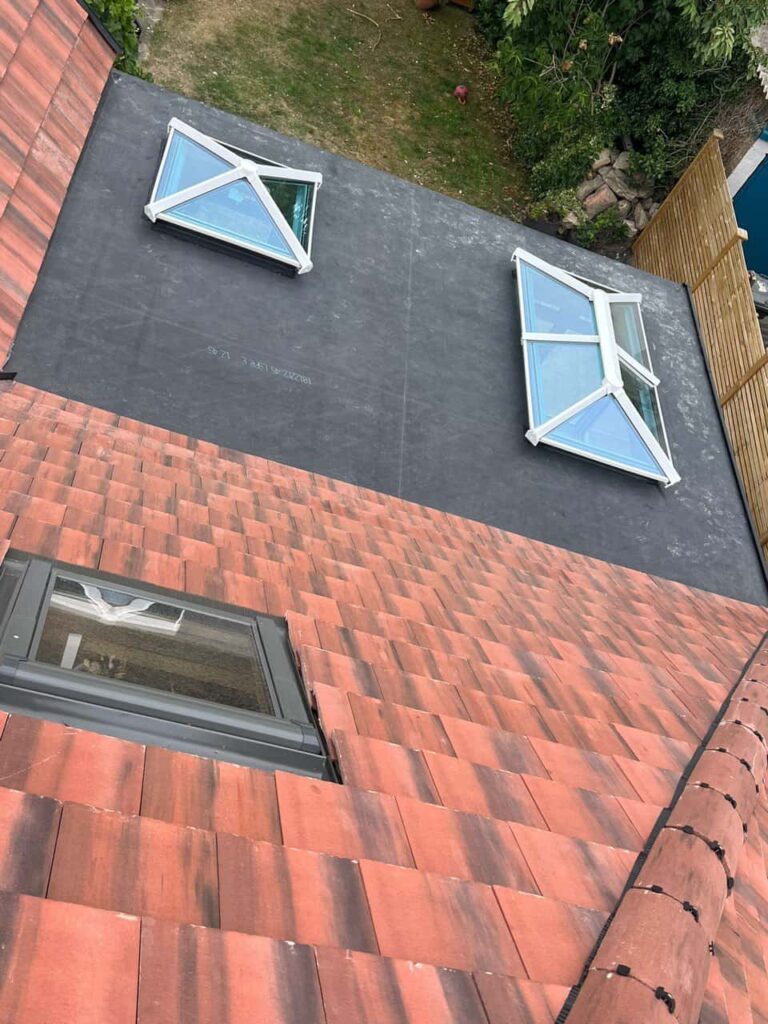
A roof is made up of many components working together to keep a property protected from the elements. While tiles, slates, and gutters often receive the most attention, lead flashing is one of the most important yet overlooked parts of a roofing system. When installed and maintained correctly, lead flashing plays a vital role in preventing water penetration and protecting vulnerable areas of the roof.
For homeowners in Burnham, Buckinghamshire, understanding the purpose of lead flashing can help identify potential issues before they develop into more significant roofing problems. At LS Roofing Burnham, we regularly inspect, repair, and replace lead flashing to ensure roofs continue to perform effectively throughout the year.
What Is Lead Flashing?
Lead flashing is a weatherproof material used to seal joints and intersections on a roof. It is commonly installed around chimneys, roof valleys, dormer windows, skylights, and where roofing materials meet walls.
Its purpose is to create a watertight barrier that prevents rainwater from entering gaps and vulnerable areas. Without properly functioning flashing, even a well-constructed roof can become susceptible to leaks.
Because lead is durable, flexible, and resistant to weathering, it has been used in roofing applications for generations.
Why Is Lead Flashing So Important?
Certain areas of a roof are naturally more exposed to water than others. Junctions where different roof sections meet are often the first places where water can find a way inside.
Lead flashing protects these critical areas by directing water away from gaps and preventing it from penetrating the roof structure. This protection is essential for maintaining the integrity of both the roof and the property beneath it.
Even a small failure in flashing can allow water ingress that may go unnoticed until more extensive damage has occurred.
Common Signs of Lead Flashing Problems
Although lead flashing is designed for long-term performance, it can deteriorate or become damaged over time. Property owners should be aware of warning signs that may indicate repairs are needed.
Common indicators include:
- Visible cracks or splits in the lead
- Sections lifting away from walls or roof surfaces
- Water stains in loft spaces or on internal ceilings
- Loose mortar around chimney flashing
- Signs of dampness near roof junctions
Identifying these issues early can help prevent further deterioration and protect the surrounding roof structure.
How Weather Affects Lead Flashing
Lead flashing is constantly exposed to changing weather conditions. Over many years, expansion and contraction caused by temperature fluctuations can place stress on the material.
Strong winds may loosen poorly secured flashing, while heavy rainfall can expose weaknesses in ageing installations. Regular inspections help identify these problems before they develop into leaks.
For properties in Burnham, Buckinghamshire, routine roof maintenance is one of the most effective ways to ensure flashing remains in good condition.
The Importance of Professional Installation
Lead flashing must be installed correctly to perform as intended. Poor workmanship can result in gaps, inadequate sealing, or sections becoming loose over time.
Professional roofers understand how to shape, secure, and integrate flashing with the surrounding roofing materials. Proper installation ensures water is directed away efficiently and that the flashing can accommodate natural movement without failing.
Attention to detail during installation is critical to achieving long-term reliability.
Lead Flashing and Roof Longevity
Many roofing issues begin around vulnerable junctions where water is able to enter the structure. Well-maintained flashing helps prevent these problems by providing continuous protection at key points across the roof.
By keeping water out, lead flashing contributes significantly to the lifespan of roofing materials, roof timbers, and other structural components. It is a relatively small part of the roof but plays a major role in preserving the overall condition of the property.
Why Regular Inspections Matter
Because flashing problems are often difficult to spot from ground level, professional inspections are valuable for identifying issues early. During a roof inspection, flashing can be checked for signs of wear, movement, or damage.
Addressing minor concerns before they worsen helps maintain the effectiveness of the roofing system and reduces the likelihood of future complications.
At LS Roofing Burnham, we carry out thorough roof inspections across Burnham, Buckinghamshire, helping property owners keep their roofs in excellent condition.
Conclusion
Lead flashing is one of the most important components of a roofing system, providing essential protection against water ingress at roof junctions, chimneys, and other vulnerable areas. Its durability and flexibility make it an excellent roofing material, but like all components, it benefits from regular inspection and maintenance.
For homeowners in Burnham, Buckinghamshire, understanding the role of lead flashing can help prevent avoidable roofing problems and support the long-term performance of the property. LS Roofing Burnham provides professional roofing services, including lead flashing inspections, repairs, and replacements. If you have concerns about the condition of your roof, seeking expert advice is a sensible step towards maintaining a safe and weather-resistant home.
Call us on: 01628 965 691
Click here to find out more about LS Roofing Burnham
Click here to complete our contact form and see how we can help with your roofing needs.